
Mold Testing in Indian Creek, PA

Find Out What's Growing Before It Costs You

Professional mold testing that detects problems early—in your walls, ducts, and spaces you can’t see—so you can protect your home and health.

Hear from Our Customers

Professional Mold Testing Services Indian Creek

Know What You're Dealing With, Not Guessing

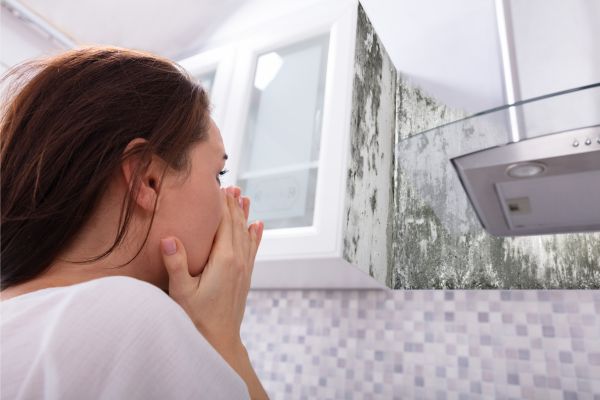
You can’t fix what you can’t see. That’s the problem with mold in Indian Creek homes—it hides in attics, crawls behind wallpaper, grows inside HVAC ducts, and thrives in the exact conditions Pennsylvania’s humid summers create.

Testing tells you three things: if you have mold, what type it is, and how much of it is in your air. That’s not just useful information—it’s what you need before you spend money on the wrong solution or let a problem get worse while you wait.

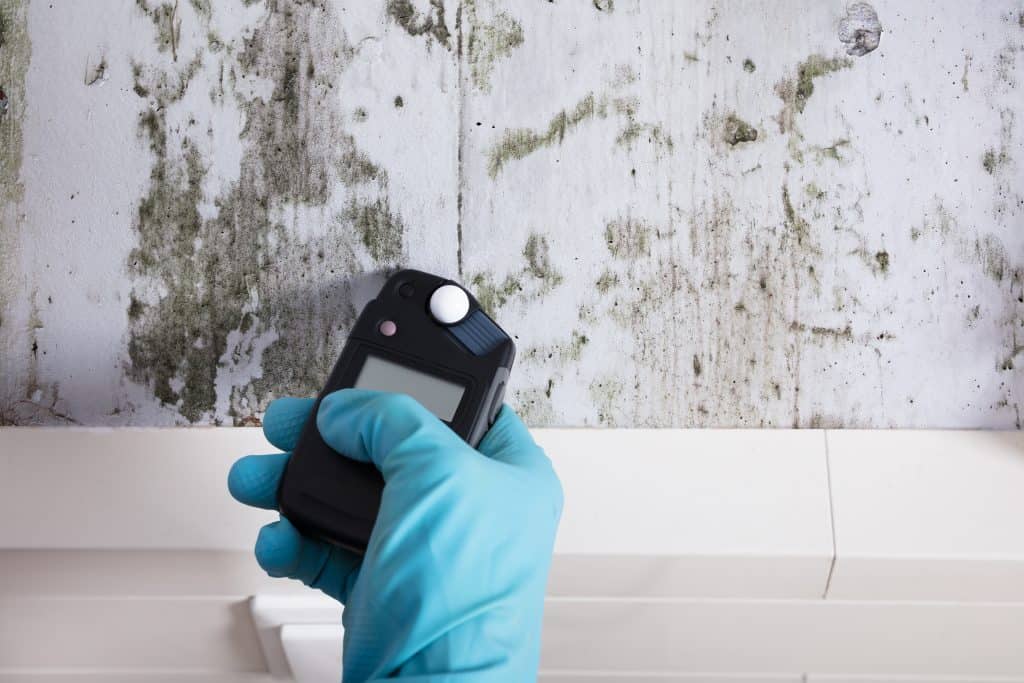
Our testing uses air sampling and surface testing to detect mold you can’t see. We send samples to EPA-certified labs, and you get a report that breaks down what’s actually happening in your home. No guessing. No assumptions. Just data you can use to make the right call.

If you’re buying a home, dealing with water damage, or just noticing a smell you can’t place, testing is how you get ahead of it.

Mold Testing Company Indian Creek PA

We've Been Doing This for Over 20 Years

We’ve spent more than two decades testing air quality and inspecting for mold in Bucks County. We know how homes are built here, how they age, and where mold shows up when Pennsylvania humidity sits in that danger zone all summer long.

We’re not new to this. We’ve tested homes after storms, before sales, and when families just wanted to know if that musty smell was something serious. We handle everything from initial testing to full air quality analysis, and we know what to look for in Indian Creek properties specifically.

You’re not getting a national franchise or a crew learning on the job. You’re getting local experience and straightforward answers about what’s happening in your home.

How Mold Testing Works Indian Creek

Here's What Happens When You Call Us

First, we talk. You tell us what you’re seeing, smelling, or worried about. We ask questions about water damage, ventilation, and where you think the problem might be. That conversation shapes how we approach your property.

Then we schedule a visit. We come to your home in Indian Creek, do a visual inspection of the areas you’re concerned about, and check the spots mold loves—attics, basements, around windows, behind appliances, inside ductwork. We use air sampling equipment and surface testing to collect samples from your indoor environment.

Those samples go to an EPA-certified lab. They identify the type of mold, measure the concentration, and compare it to outdoor levels. You get a report that’s easy to read and tells you exactly what’s in your air and on your surfaces.

After that, we walk you through the findings. If remediation is needed, we explain what that looks like. If it’s a ventilation issue or a small fix, we tell you that too. The goal is to give you clarity, not upsell you on work you don’t need.

Ready to get started?

Explore More Services

About Mack's Mold Removal

Residential Mold Testing Indian Creek PA

What's Included in Our Mold Testing Service

When we test your Indian Creek home, we’re looking at air quality and surface contamination. We use calibrated pumps and specialized filters to capture airborne mold spores, and we take surface samples from areas where visible growth or moisture damage exists.

Pennsylvania homes face specific challenges. July humidity doesn’t just make your house uncomfortable—it creates conditions where attics stay damp without a single leak. Mold takes hold fast when moisture doesn’t evaporate, and that’s common here. We account for that when we test.

You’ll receive a detailed lab report identifying mold types, spore counts, and contamination levels. The report includes recommendations based on what we find—whether that’s remediation, improved ventilation, or monitoring. We don’t leave you hanging with data and no direction.

Testing also matters if you’re buying or selling. Appraisers factor mold into property value because it affects structural integrity and health. Lenders and insurance companies hesitate on homes with mold issues. Professional testing and documentation protect your investment and give buyers confidence.

How much does mold testing cost in Indian Creek, PA?

Cost depends on the size of your home and how many areas need testing. A basic air quality test for a single area runs lower than comprehensive testing across multiple rooms or a whole-home inspection with surface sampling.

Most residential mold testing in Indian Creek falls between a few hundred dollars for straightforward cases and more for larger homes or properties with suspected contamination in multiple areas. We give you a clear quote before we start so there’s no surprise.

Keep in mind that testing is cheaper than guessing. If you remediate the wrong area or miss hidden mold, you’re spending more money later. Testing tells you exactly where the problem is and how serious it is, which saves you from throwing money at the wrong fix.

Air sampling measures mold spores floating in your indoor air. We use a pump that pulls air through a filter, capturing spores you’re breathing but can’t see. This tells us if mold is present in your environment and at what concentration compared to outdoor levels.

Surface testing takes samples from visible growth or suspected contamination areas—walls, ceilings, ducts, anywhere mold might be growing. We swab or tape-lift the surface and send it to the lab to identify the specific mold type and confirm active growth.

You usually need both. Air sampling shows what’s in your breathing space. Surface testing confirms what’s growing and where. Together, they give you the full picture. If you’re only doing one, you might miss part of the problem—airborne spores from a hidden source or localized growth that hasn’t spread yet.

You can buy DIY mold test kits, but they don’t give you the same information. Most home kits only tell you if mold is present—which isn’t helpful because mold exists in almost every home. What matters is the type, the concentration, and whether it’s at levels that require action.

Professional testing uses calibrated equipment and controlled sampling methods. We know where to test, how to avoid contamination, and how to interpret lab results in context. A DIY kit might say “mold detected,” but it won’t tell you if it’s toxic black mold or common surface mold, and it won’t measure airborne spore counts.

If you’re dealing with health symptoms, buying or selling a home, or facing potential remediation costs, professional testing is worth it. You’re paying for accuracy and expertise, not just a yes-or-no answer. That’s the difference between making an informed decision and guessing.

The actual testing visit takes one to two hours depending on your home’s size and how many areas we’re sampling. We’re not rushing—we’re being thorough. Air sampling, surface testing, and visual inspection all take time to do right.

Lab results come back in three to five business days. The lab needs time to culture samples, identify mold species, and measure spore concentrations accurately. Rush services are available if you’re in a time crunch—like a real estate closing deadline—but standard turnaround is under a week.

Once we have results, we contact you within 24 hours to review the findings. We’ll walk through the report, explain what the numbers mean, and discuss next steps if remediation or further action is needed. You’re not left interpreting lab data on your own.

Aspergillus, Penicillium, and Cladosporium are the most common molds we find in Bucks County homes. They thrive in damp conditions and show up in bathrooms, basements, kitchens, and anywhere moisture accumulates. Most aren’t immediately dangerous, but long-term exposure causes respiratory issues and allergic reactions.

Stachybotrys—black mold—is less common but more concerning. It grows on water-damaged materials like drywall and wood, and it produces mycotoxins that cause serious health problems. If you’ve had flooding, roof leaks, or long-term moisture issues, black mold is a real possibility.

Pennsylvania’s summer humidity makes mold growth easier. When moisture doesn’t evaporate and attics or crawl spaces stay damp, mold moves in fast. Testing identifies exactly what’s growing in your home so you know if you’re dealing with a minor issue or something that needs immediate remediation.

Yes. That’s one of the main reasons to test. The lab report shows contamination levels, and we compare those to outdoor baselines and industry standards. If levels are elevated but not extreme, the issue might be ventilation, dehumidification, or a small moisture source you can fix yourself.

If spore counts are high or we find toxic mold species, remediation is necessary. That means containment, removal of contaminated materials, air filtration, and treatment to prevent regrowth. We’ll tell you which scenario you’re facing based on the data, not a gut feeling.

Testing also prevents over-remediation. Some companies push full teardowns when all you need is better airflow and a dehumidifier. We give you honest recommendations based on lab results and 20+ years of experience in Indian Creek homes. You’ll know what’s required and what’s optional.

Other Services we provide in Indian Creek